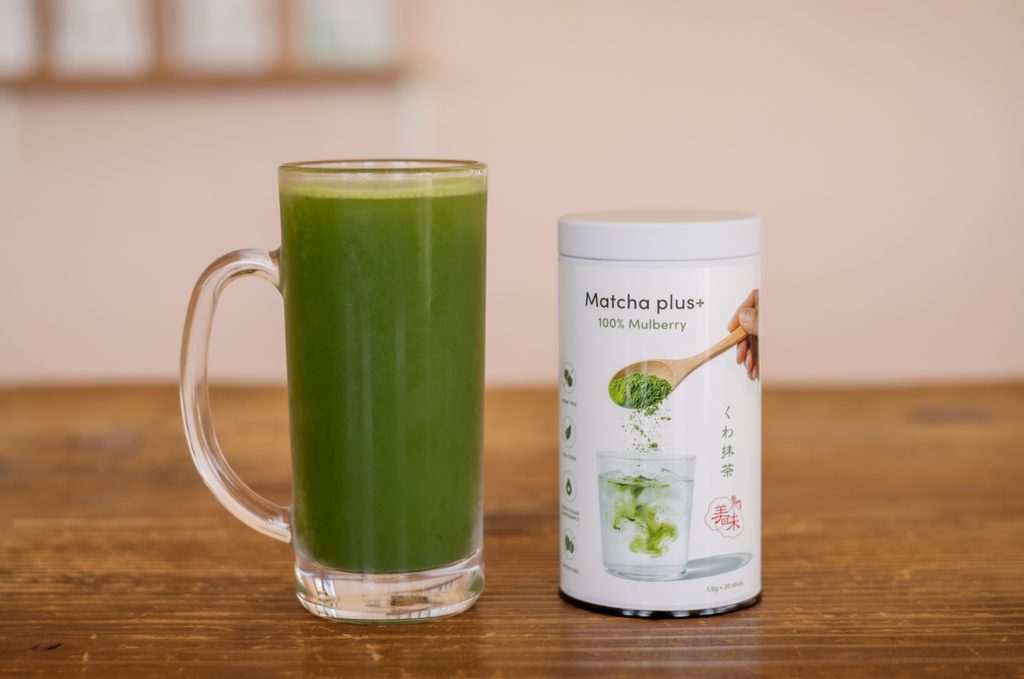
“100% Mulberry Kuwa Matcha” — the tea at the heart of Matcha Plus+, a brand run by Bimmy. Kuwa no Sato — the same company featured in our Partner story — carefully turns the finest mulberry, grown on its own farm, into a fine powder using traditional Japanese tea-making methods. So why did Matcha Plus+’s mulberry tea convince us it was truly “oishii”? A visit to the production plant reveals the answer.
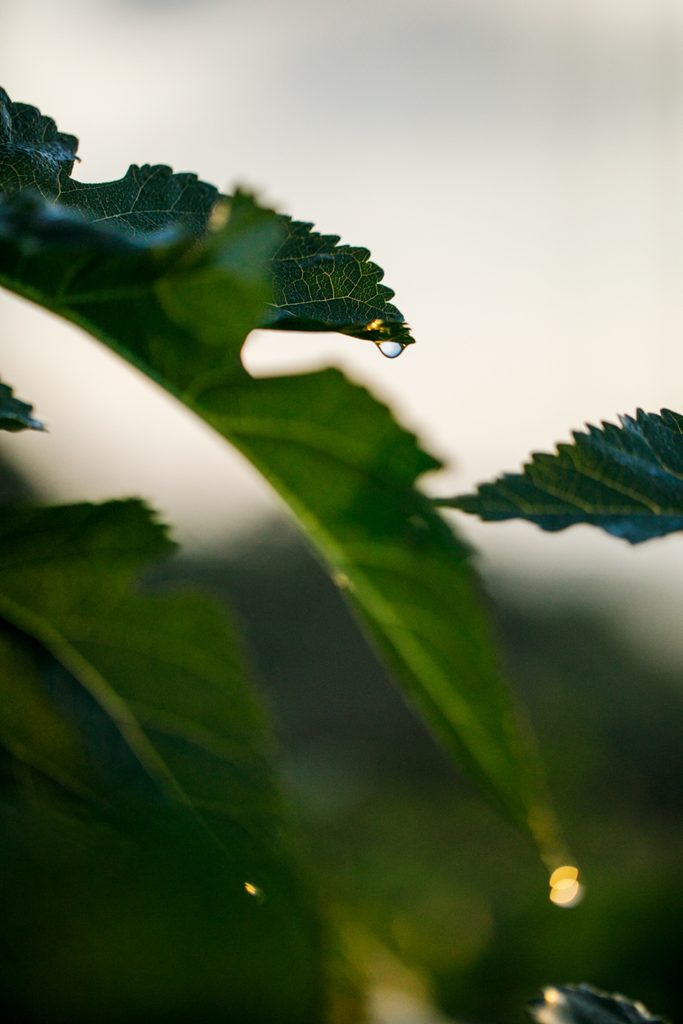
The mulberry is picked before the sky has even fully brightened. Grown on mountain slopes with sharp swings in temperature, the leaves are still beaded with dew in the early morning.
① Freshly Cut Mulberry, Rushed to the Tea Factory
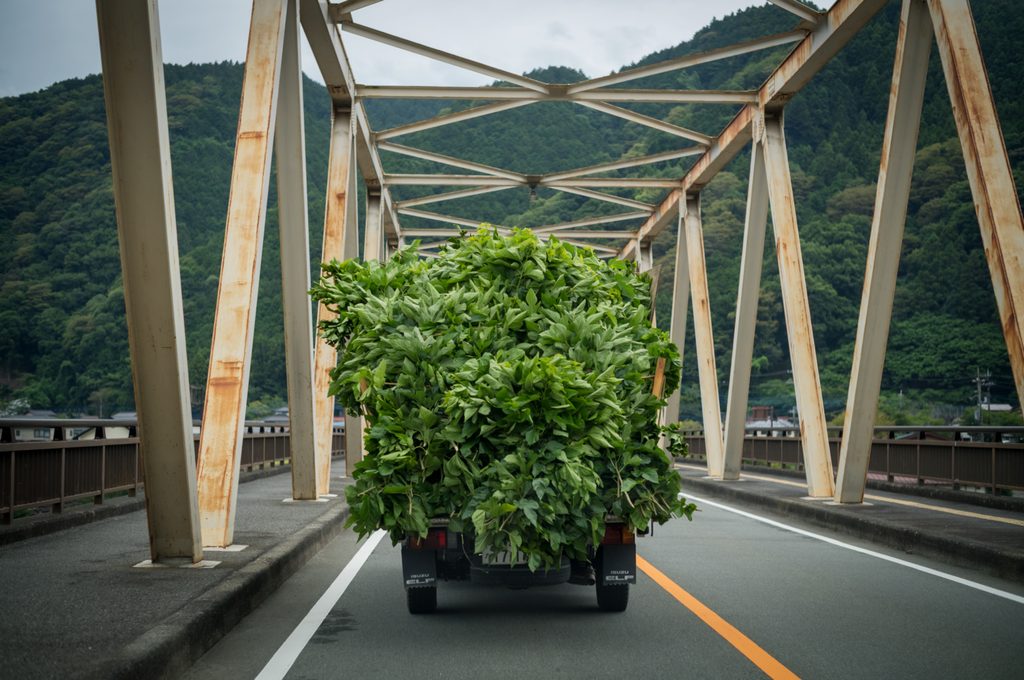
Mulberry harvested in the field is carried straight to the processing plant. Picking begins around 5:30 in the morning, and by 9 a.m. the leaves have already reached the factory. As Han-san puts it, “The moment you pick it, oxidation begins” — which means that making high-quality mulberry tea is, in a very real sense, a race against time.
② Sorting Out Only the Cleanest Leaves, by Hand
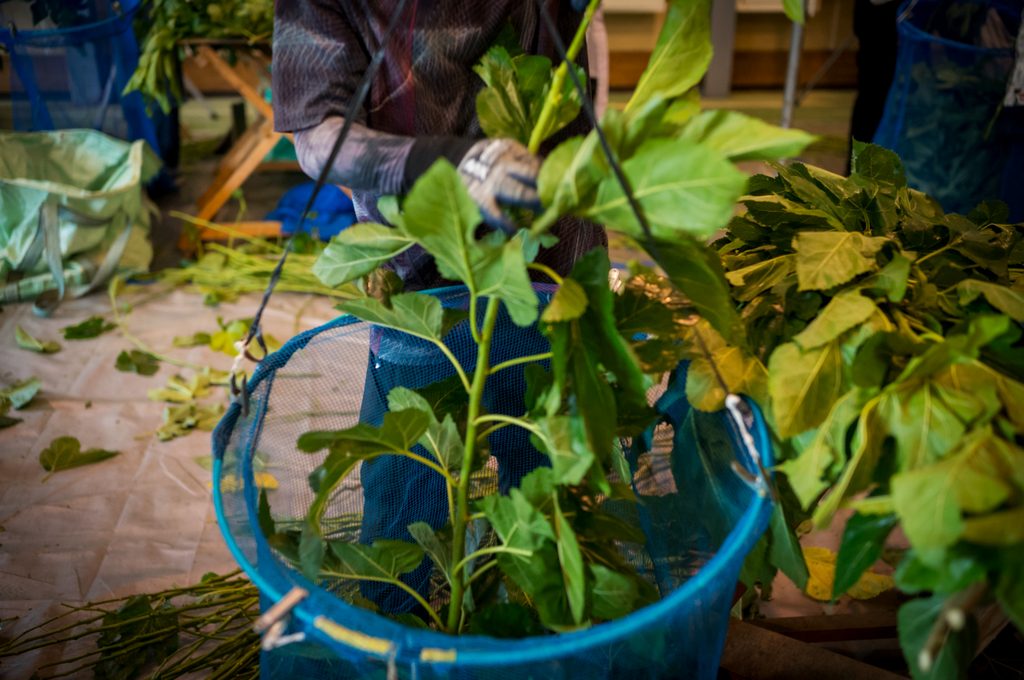
Staff strip the branches by hand, sorting out the leaves. Any leaf in poor condition, along with fine stems, is set aside by hand at this stage, and the mulberry leaves that remain then move on through crushing, steaming, cooling, leaf-striking, rough kneading, and drying.
③ Crushing the Thick, Hearty Mulberry Leaves
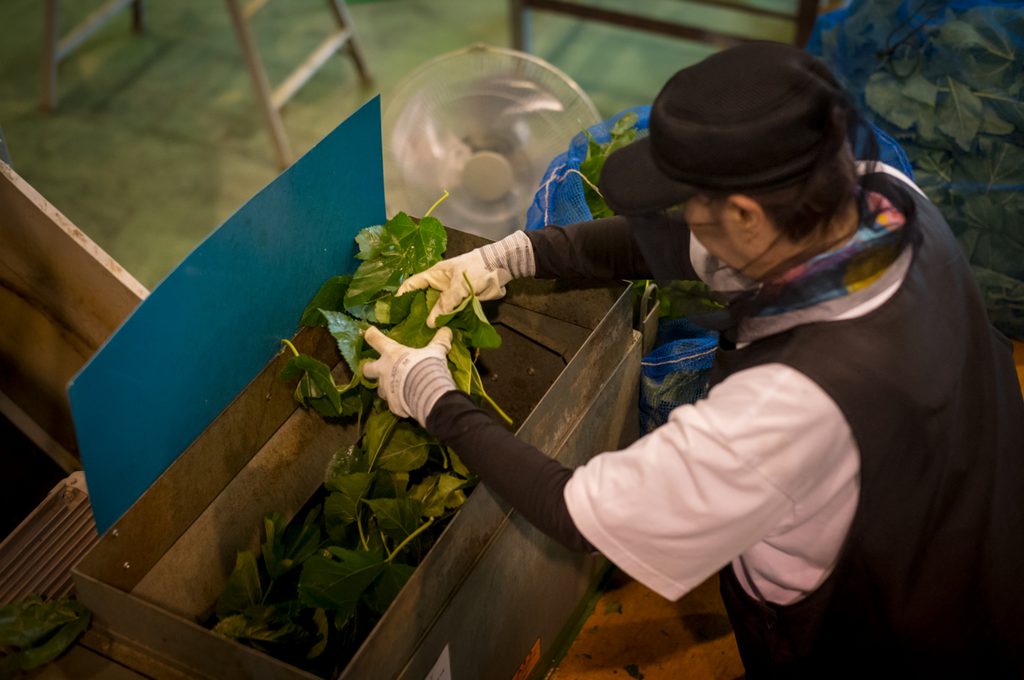
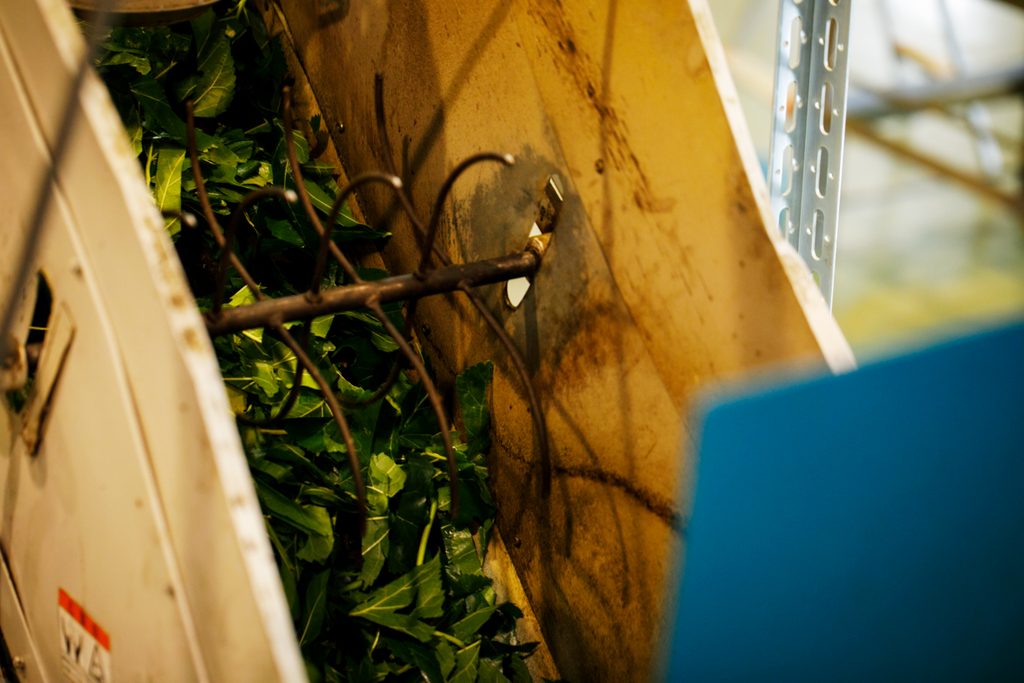
The mulberry leaves, every one sorted by hand, are fed into the machine line. The first step is crushing: leaves are fed in at a steady pace and cut into small pieces, preparing them for the steps ahead.
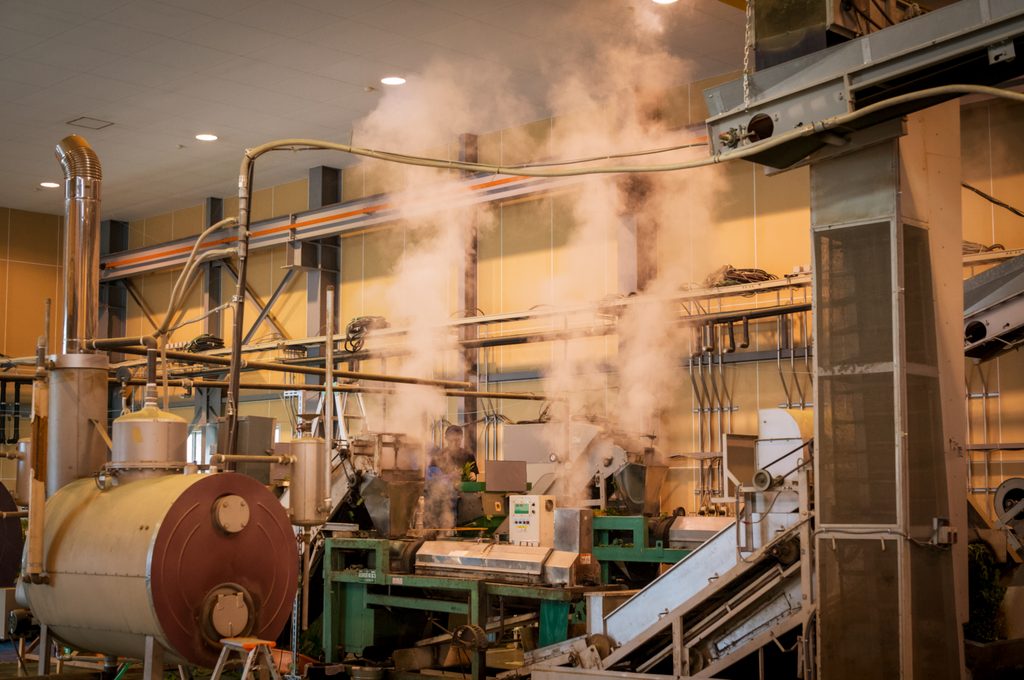
④ Steaming: What Decides the Flavor, Color, and Aroma
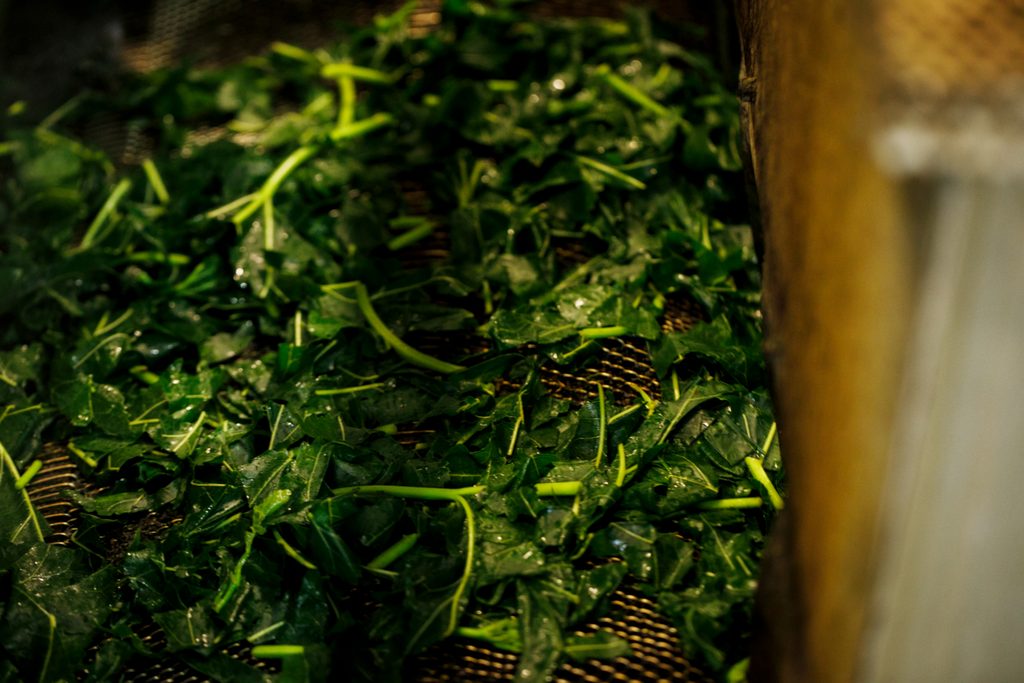
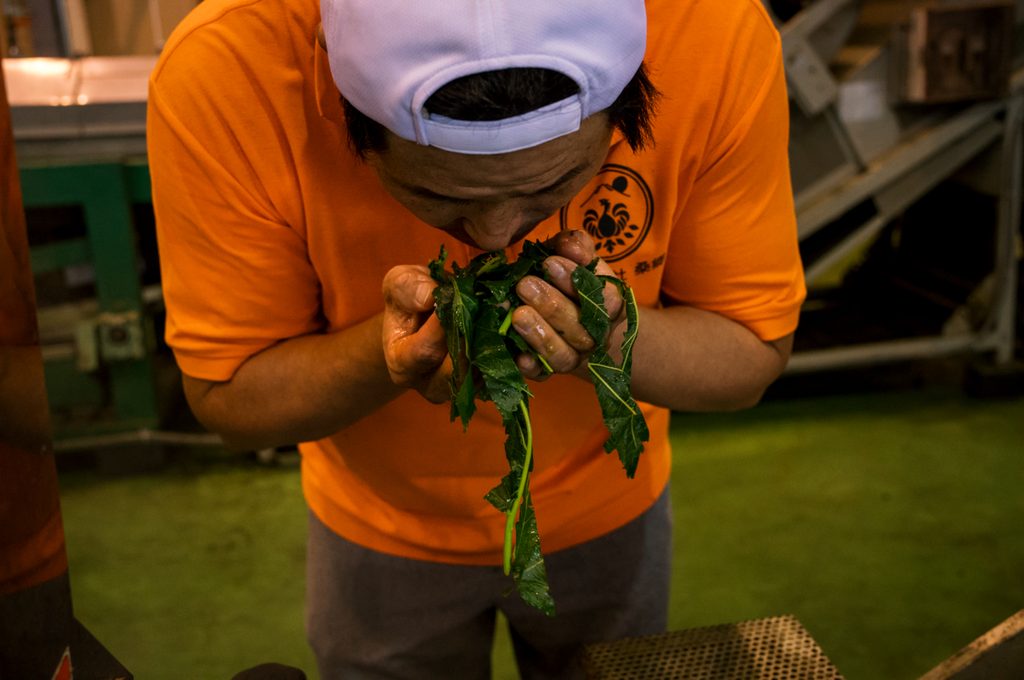
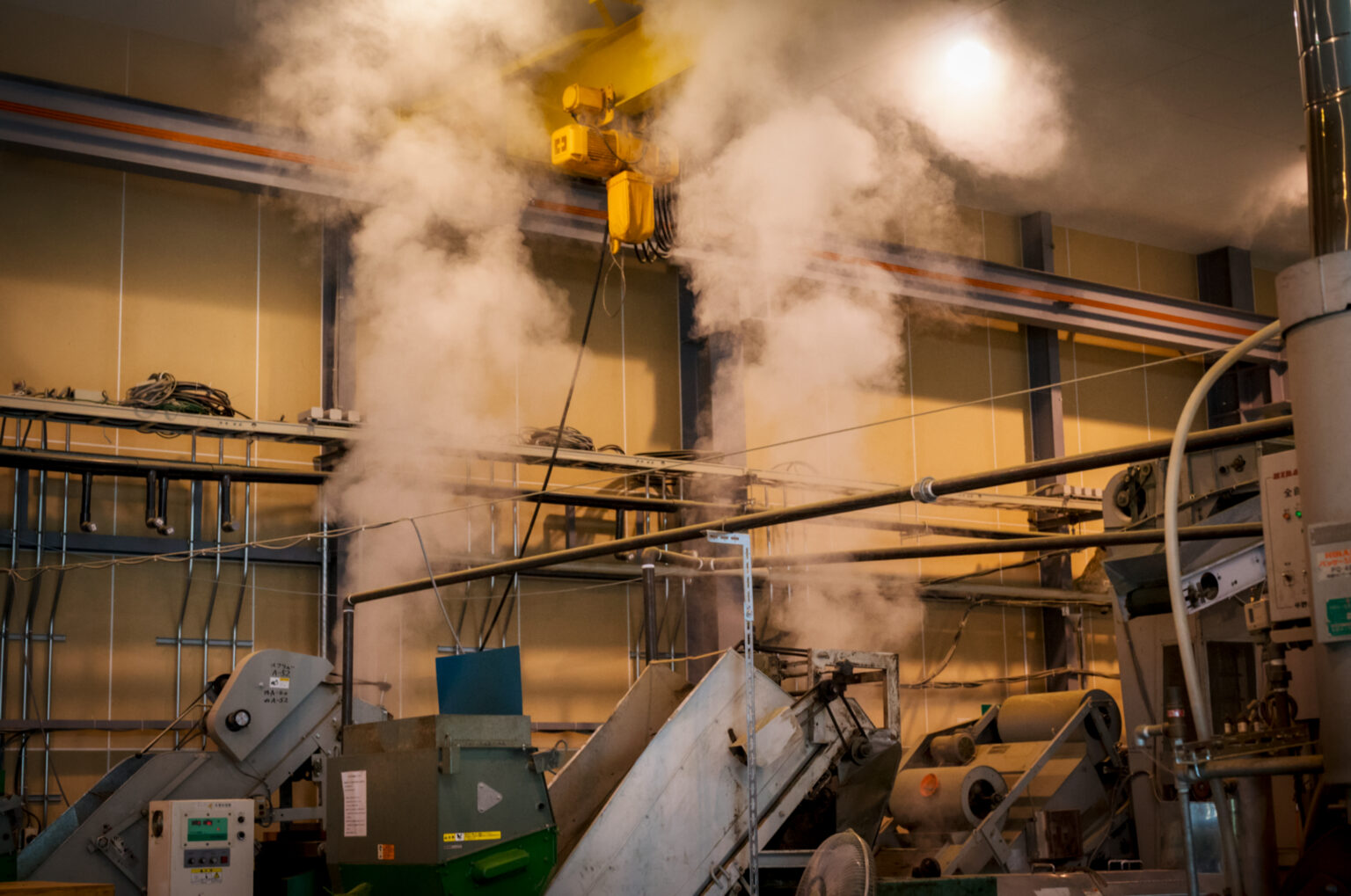
Once steamed, the leaves take on a vivid green color. “This is the part that matters most,” Han-san says, checking the freshly steamed leaves with a serious expression. “The steaming is what decides both the color and the flavor. That’s why I never skip checking it here.”
⑤ Cooling to Protect Quality, Then Rough-Kneading to Drive Out Moisture
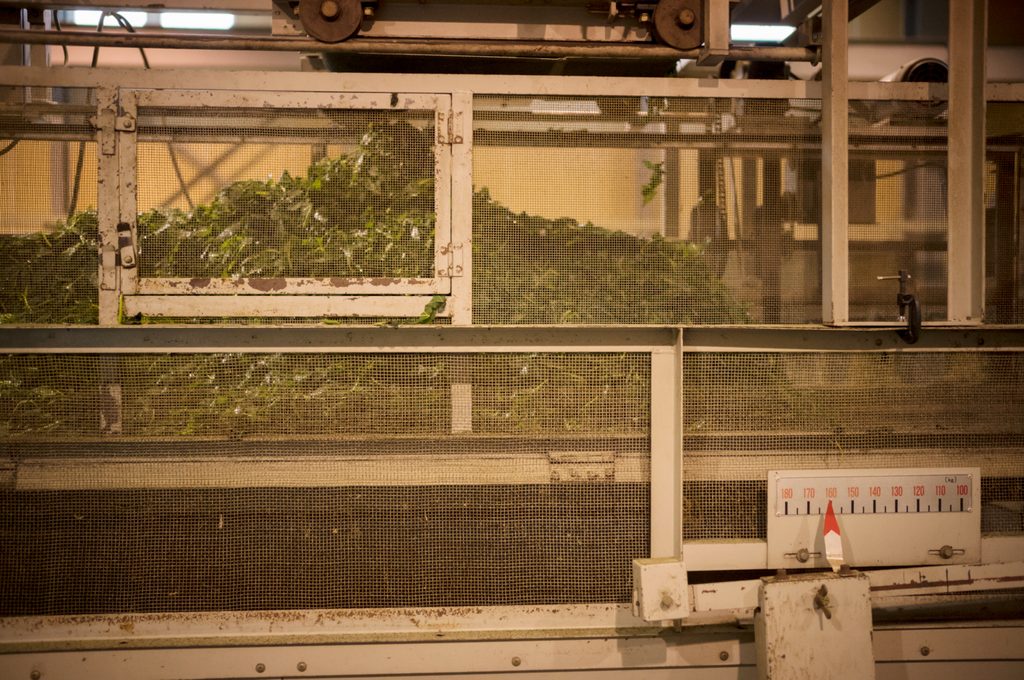
Leave the steamed leaves sitting, and residual heat will dull their vivid color and flavor — so they’re cooled quickly. From there, they’re carried to the rough-kneading machine, where they’re heated to over 100°C and struck to drive out moisture and break down their fibers.
⑥ Drying to Finish the Aracha
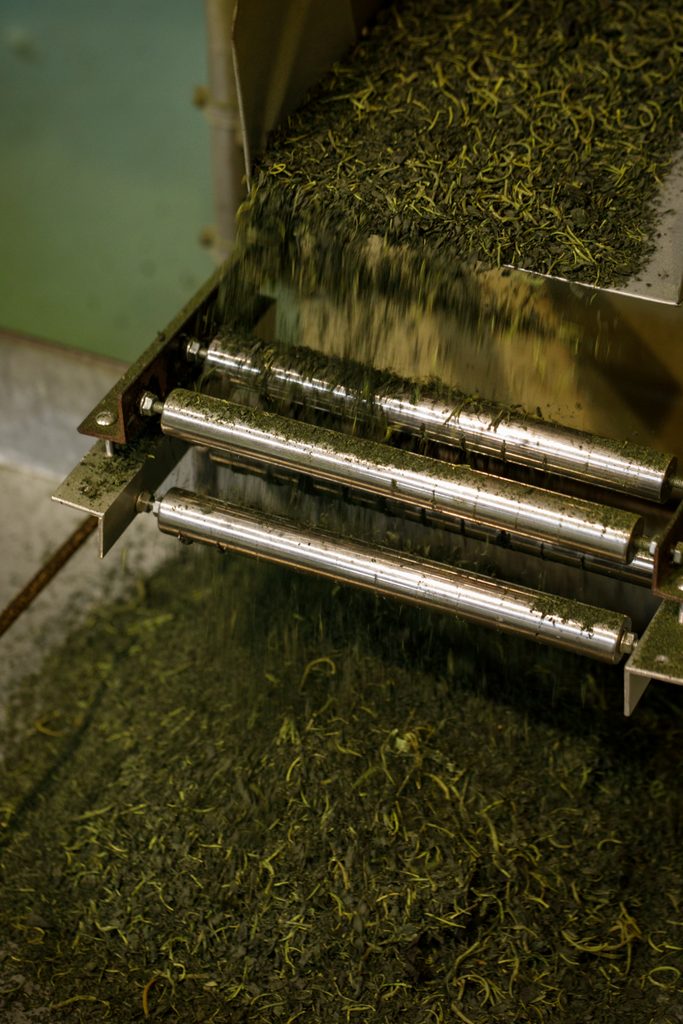
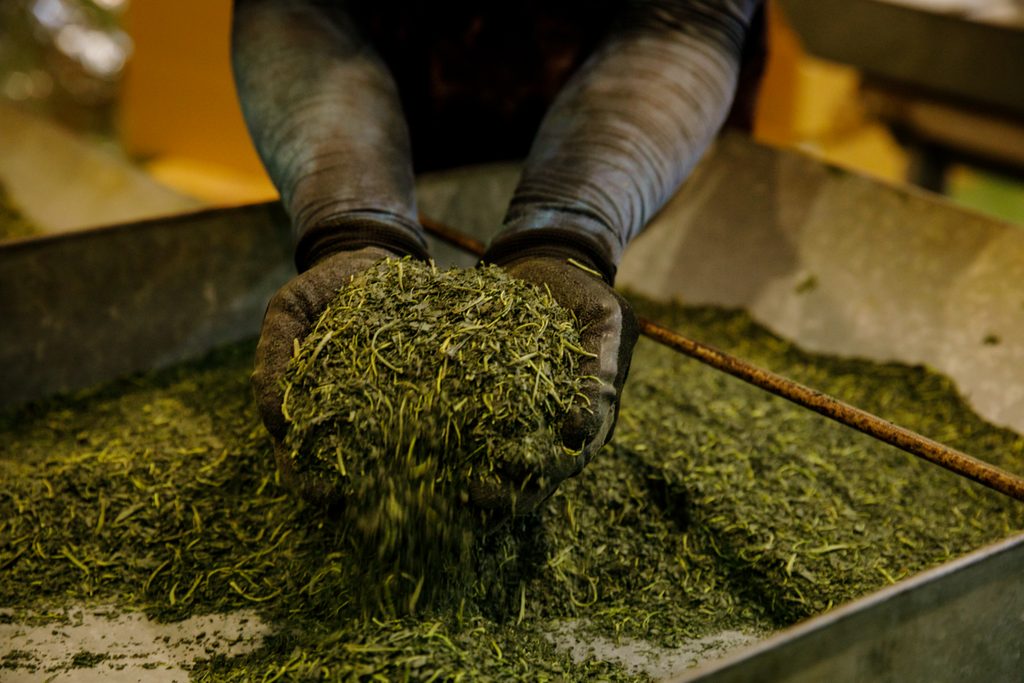
Once dried, the leaves reach the stage known as aracha, or crude tea. Even here, at the very last step, the work stays hands-on — staff check visually for any foreign matter before packing the tea and shipping it out to the facility that will grind it into powder.
Follow “Matcha Plus+” from start to finish, made using exactly the same method as Japanese green tea, and you can feel the warmth of human hands in every single step. It’s precisely because no effort is spared in processing the mulberry leaves into tea that the flavor is mellow, without the bitterness that mulberry tea can sometimes have.