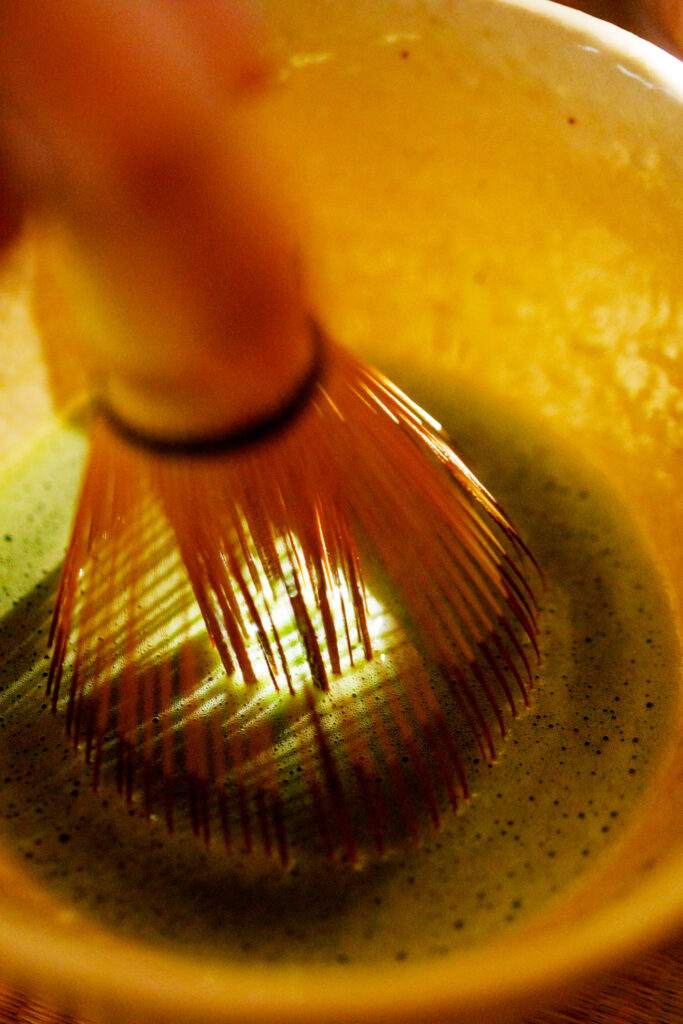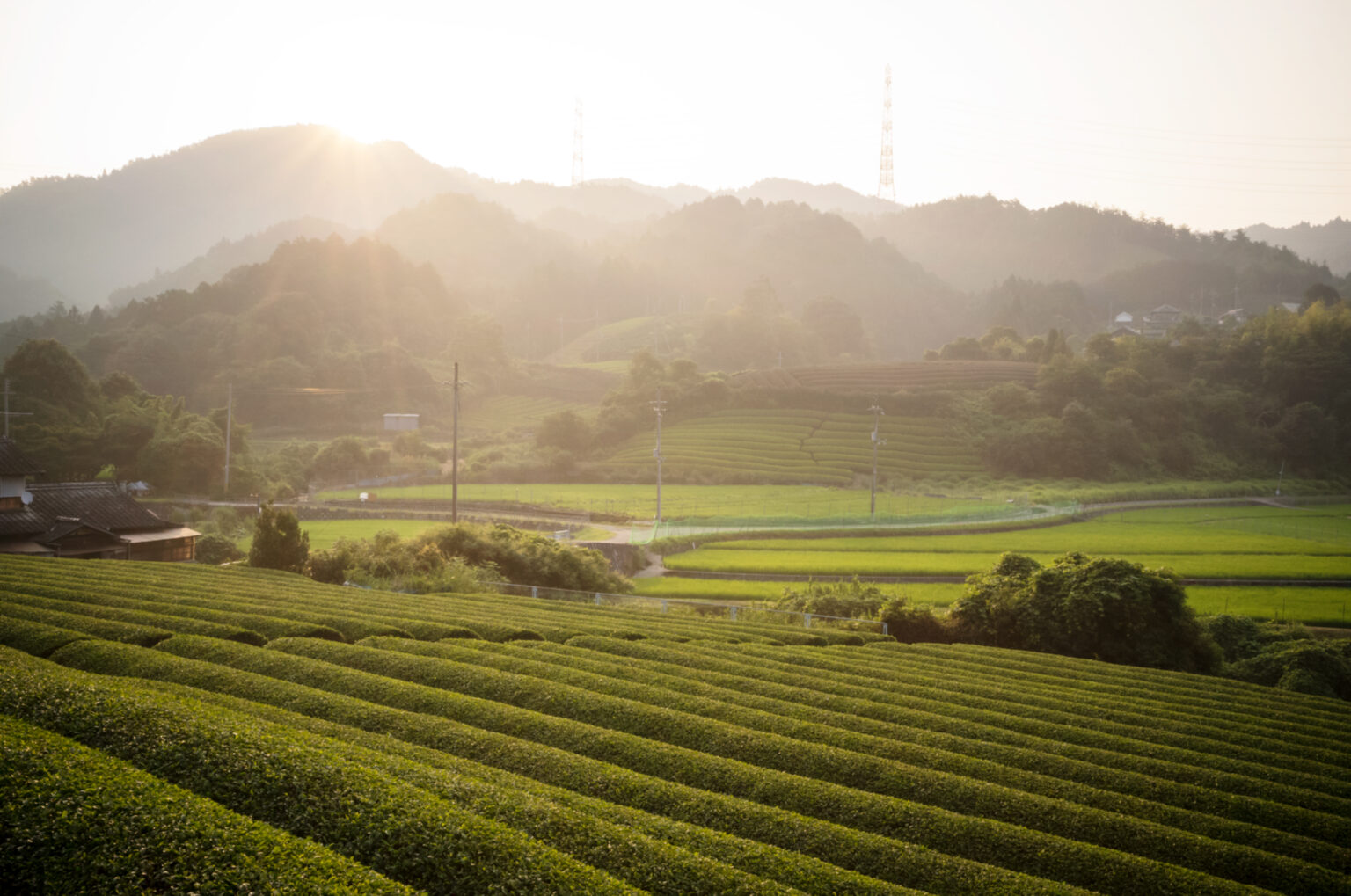
One of our partners is the 13th-generation Yamamoto Jūrōbē. It was his ancestors who first began producing matcha, in a place called Ujitawara. Today, this is the land behind “UJI MATCHA,” drawing attention from around the world. Why did the Uji area, including Ujitawara, become synonymous with the finest matcha — the very origin of matcha production in Japan? Here, we unravel that mystery.
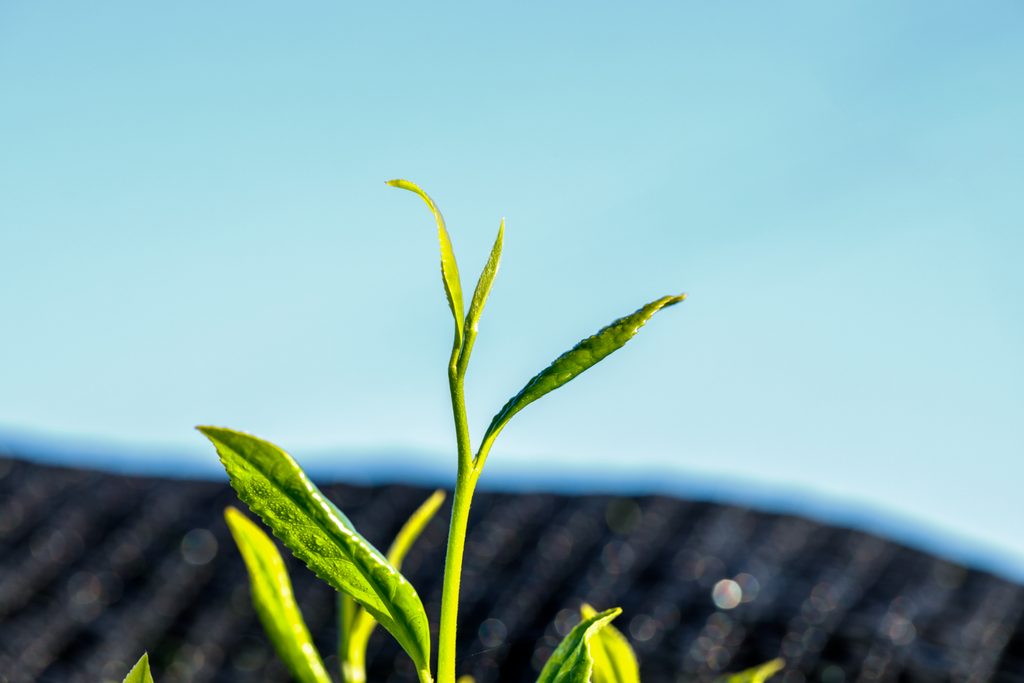
“UJI MATCHA” — a phrase that has become synonymous with premium matcha the world over. Uji tea is officially defined as tea made from leaves grown across four prefectures — Kyoto, Nara, Shiga, and Mie — and finished by processors within Kyoto Prefecture using the traditional methods passed down in the Uji region. Among these areas, the towns and districts spreading out around Uji City — Ujitawara, the Shirakawa district of Uji City, Wazuka, and Jōyō — produce matcha of the very highest quality.
Why could this particular place become the production site for the finest matcha in the world? To find the answer, let’s turn back the clock a thousand years.
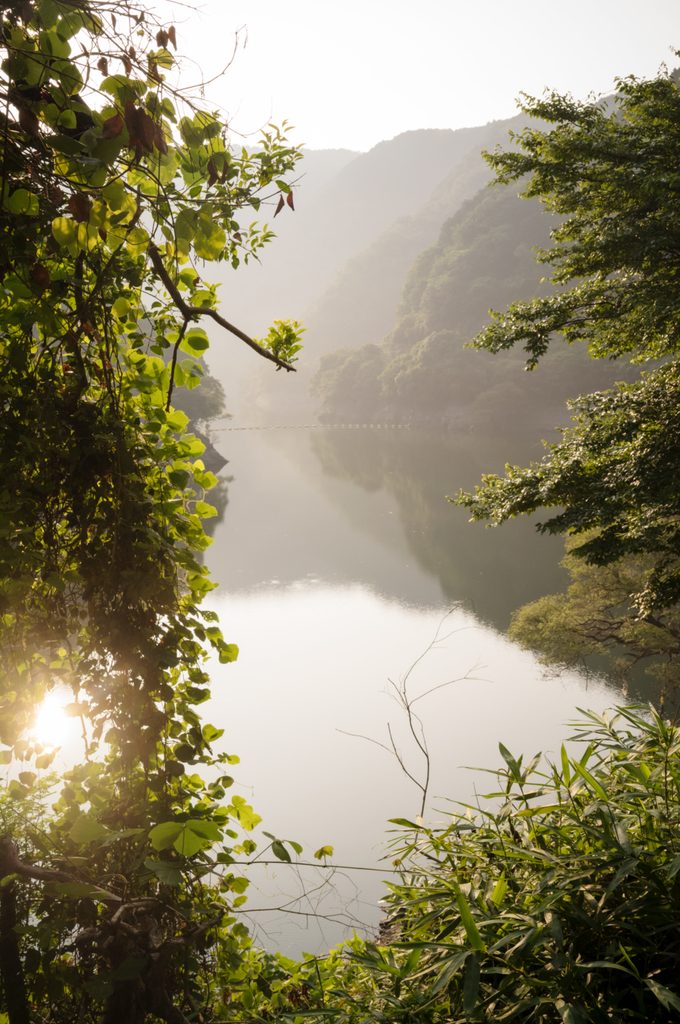
It was the Heian period. About 20 kilometers south of Kyoto, then the capital known as Heian-kyō — a distance reachable by ox-drawn carriage in roughly half a day — lay Uji, a town ringed by mountains that had become a popular retreat for the aristocracy.
The most powerful man of his age sang:
「この世をば 我が世とぞ思ふ望月の 欠けたることもなしと思へば」
“This world, I think, is indeed my own — like the full moon, with nothing lacking.”
So sang Fujiwara no Michinaga, celebrating the full flowering of his own era — and it was in Uji that he built his villa. That lavish residence, known as Uji-dono, was later converted by his son, Fujiwara no Yorimichi, into a temple called Byōdō-in — the very building depicted today on the face of Japan’s ten-yen coin.
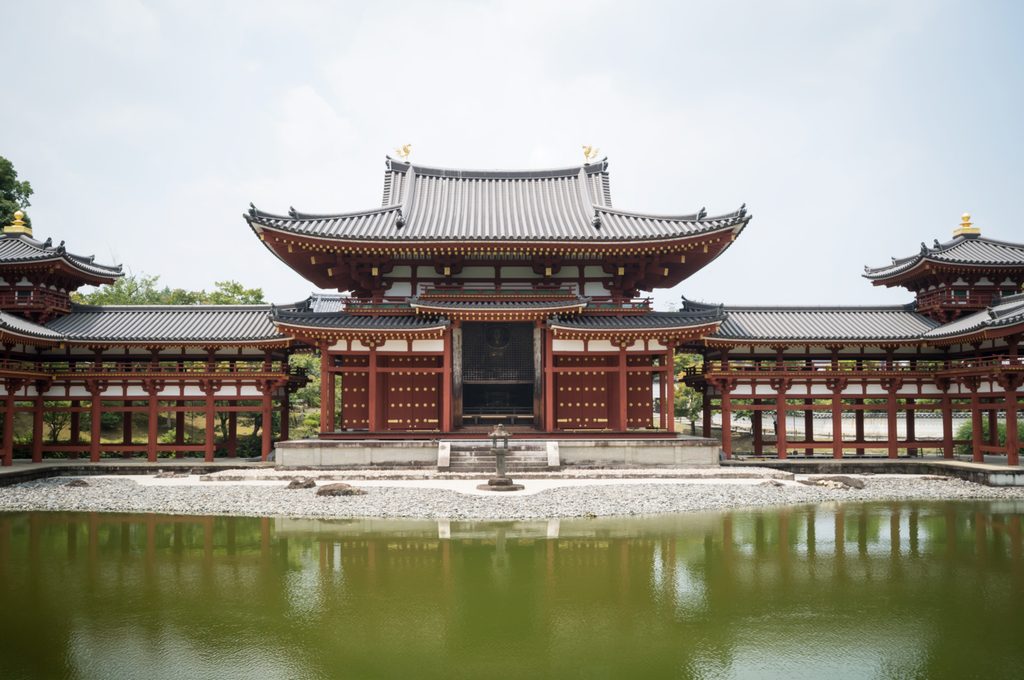
As more and more aristocrats gathered here, inns opened for lodging and teahouses for rest, boat landings were built along the Uji River, and a temple town grew up around it all.
Time moved on into the Kamakura period, to the year 1191. When the monk Eisai returned from China bringing tea seeds with him, tea cultivation began in earnest in Japan as well. The priest Myōe, granted the land of Togano-o (now a part of Kyoto’s Ukyō Ward) by the retired Emperor Go-Toba, restored the temple of Kōzan-ji there. He planted the tea seeds given to him by Eisai and began cultivating them, and it was the seeds grown there that he later gave to the people of Uji — marking, it is said, the start of tea-making in Uji.
Once tea cultivation took root in a place where the aristocracy gathered, it was only natural that its flavor would be refined over time. And just as important as the history woven by its people is the soil of this area.
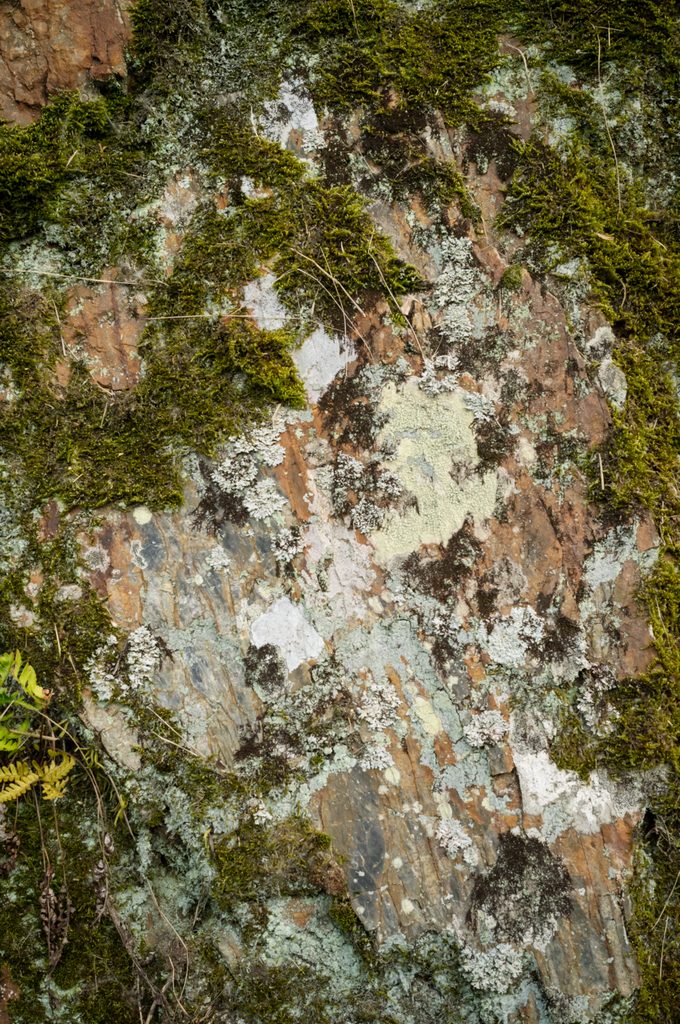
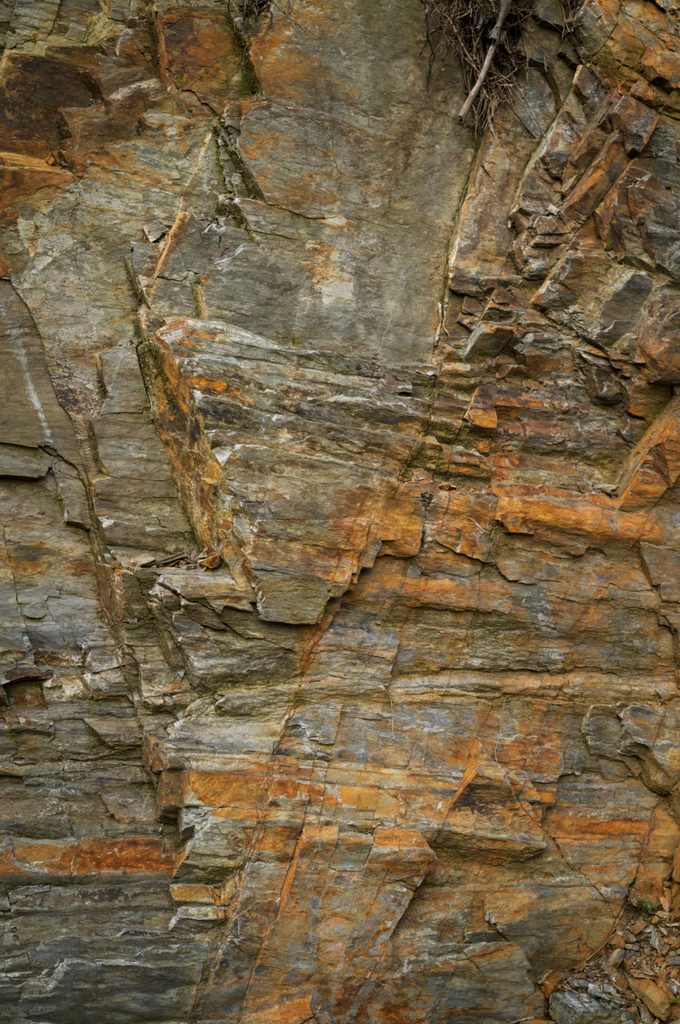
Look at the rock faces exposed in the tea fields of Wazuka, and you’ll see they’re formed from what’s known as bedded chert. Chert is hard and highly resistant to weathering, yet when it breaks down, it creates soil with exceptionally good drainage. That excellent drainage, combined with the morning mist born of sharp swings in temperature — the “miraculous terroir” for tea-making, woven together by the workings of the earth and the climate, was all present, right here, in this land.
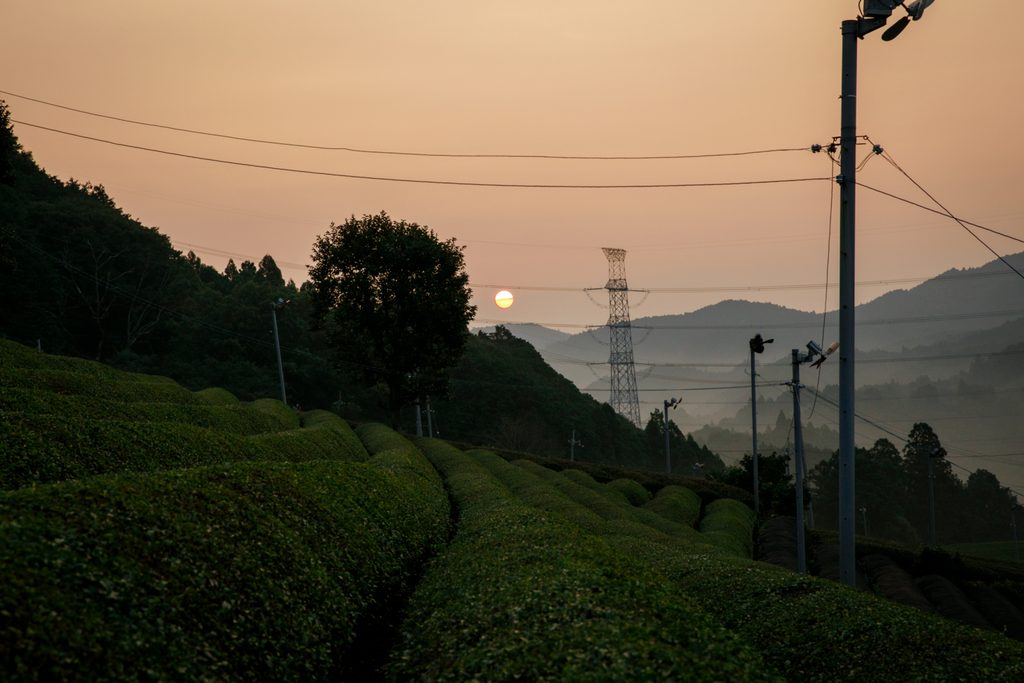
The tea born of Uji in this way produced a depth of flavor that set it apart from every other region, and it went on to captivate the aristocracy and the Muromachi shoguns alike. And the decisive technological innovation that would carry Uji beyond simply being a “tea-producing region” to become the “origin of the finest matcha” arrived in the Azuchi-Momoyama period.

As depicted in the manga Hyōge Mono, the culture of chanoyu — the tea ceremony — blossomed in the mid-1500s. Tea farmers competed fiercely with one another to cultivate the finest tea to offer up to the powerful, and what troubled them most was frost damage in spring. A late frost in early spring would freeze the new buds and ruin the harvest. To prevent this, growers invented a way of roofing their tea fields with straw and reed.
This frost-prevention technique brought about a dramatic change in the color and flavor of the tea. Leaves grown shielded from direct sunlight took on a vivid, deep green color, their astringency softened while their umami and sweetness increased. A distinctive sweet aroma emerged as well. This became the foundation of ōishita saibai — shaded cultivation — the method still used to grow tencha, the raw leaf for matcha, to this day.
Toyotomi Hideyoshi is said to have deeply loved this exquisite Uji matcha, and to have given his protection to Uji’s tea merchants. In the Edo period, the Chatsubo Dōchū — a ceremonial procession established to deliver Uji’s new tea to the Tokugawa shogunate — was instituted, and Uji matcha went on to establish itself as Japan’s single most absolute tea brand.
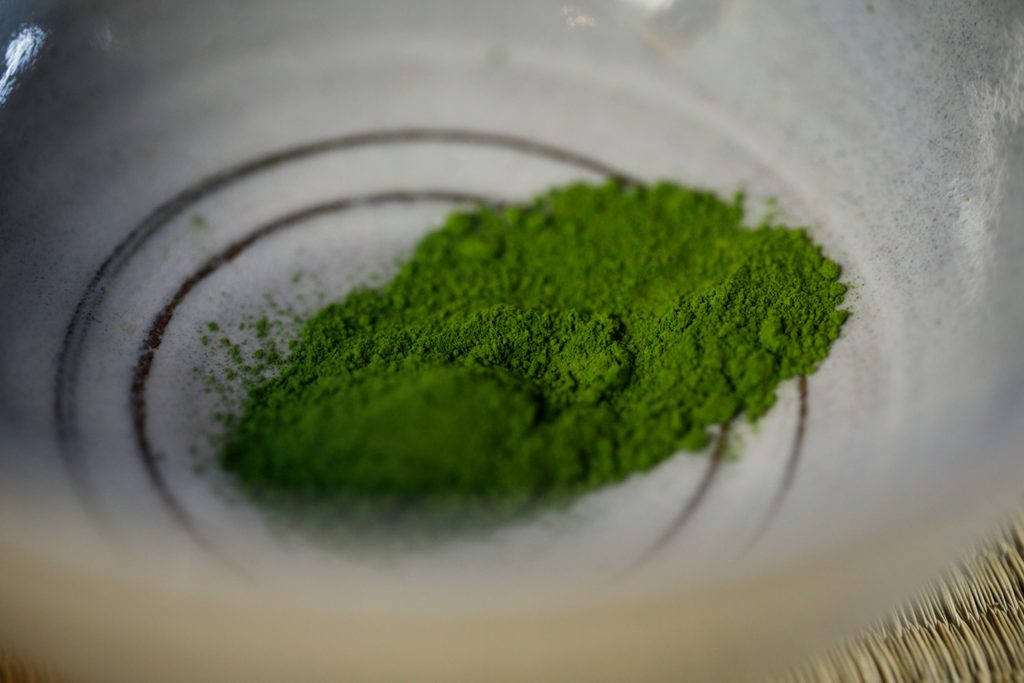
In this land, which once flourished as an elegant retreat beloved by the Kyoto aristocracy of the Heian era, a great monk planted a single tea seed. Through an age of war and fire, Uji matcha became the cup that soothed the men who ruled Japan. Because it has been shaped, patiently, across a thousand years, it remains — and will go on being — something the whole world longs for.