The story of tea in Japan can be traced back to the 800s AD. It is said that tea was first brought from China by envoys to the Tang Dynasty court — a time when Japan was in the Heian period, with Kyoto at the center of political and cultural life. Tea quickly gained popularity; records tell us that tea gardens existed within the Daidairi, the Imperial Palace compound, and that the aristocracy ground tea leaves into powder and simmered them to drink.
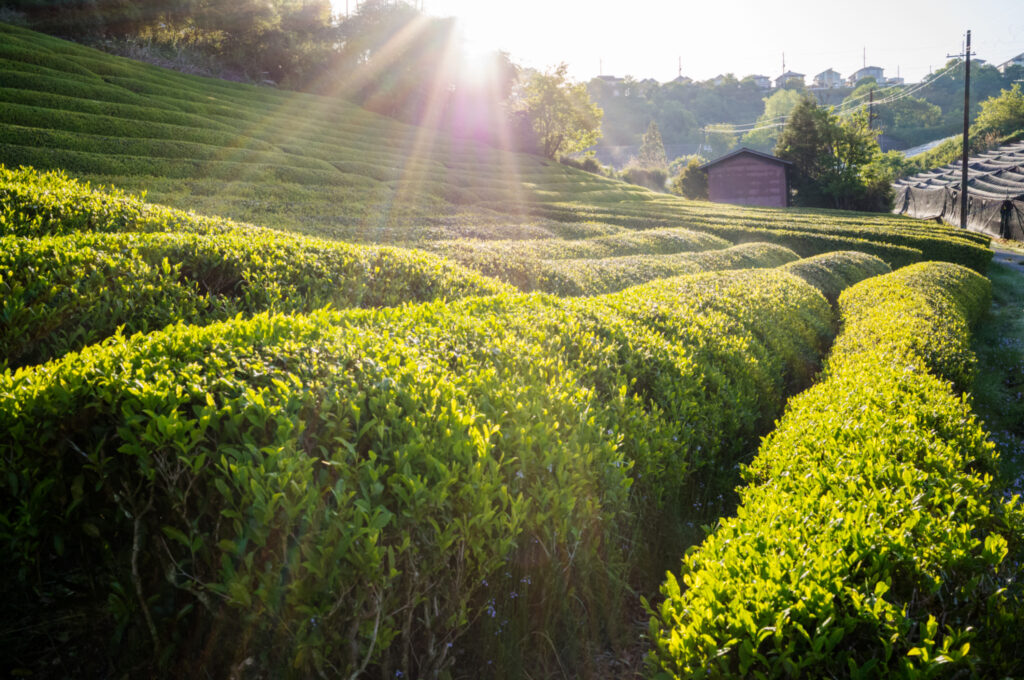
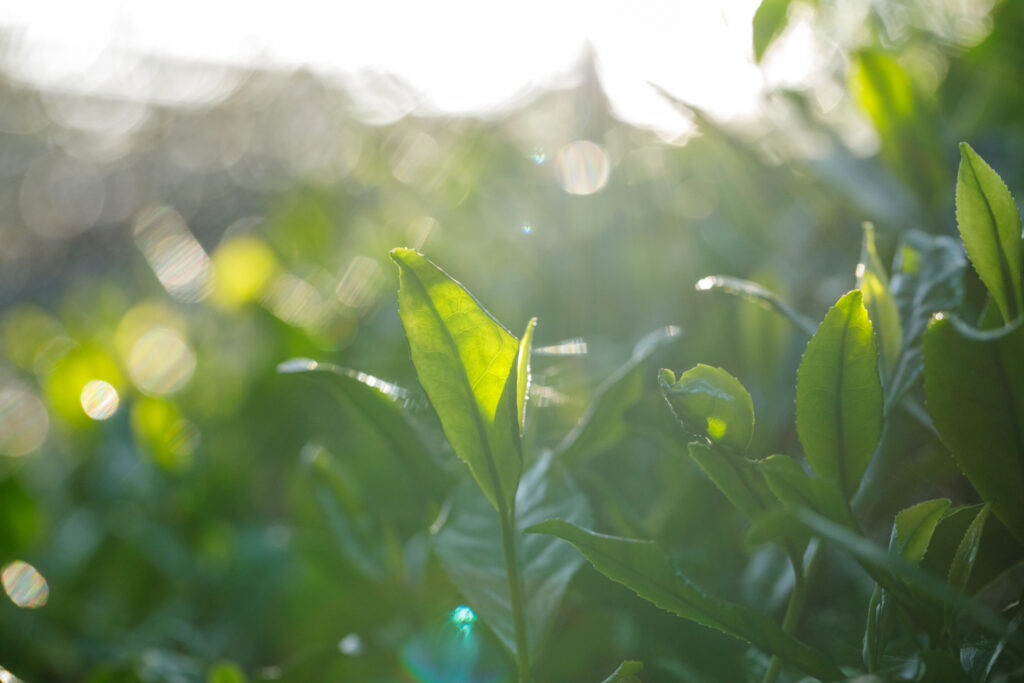
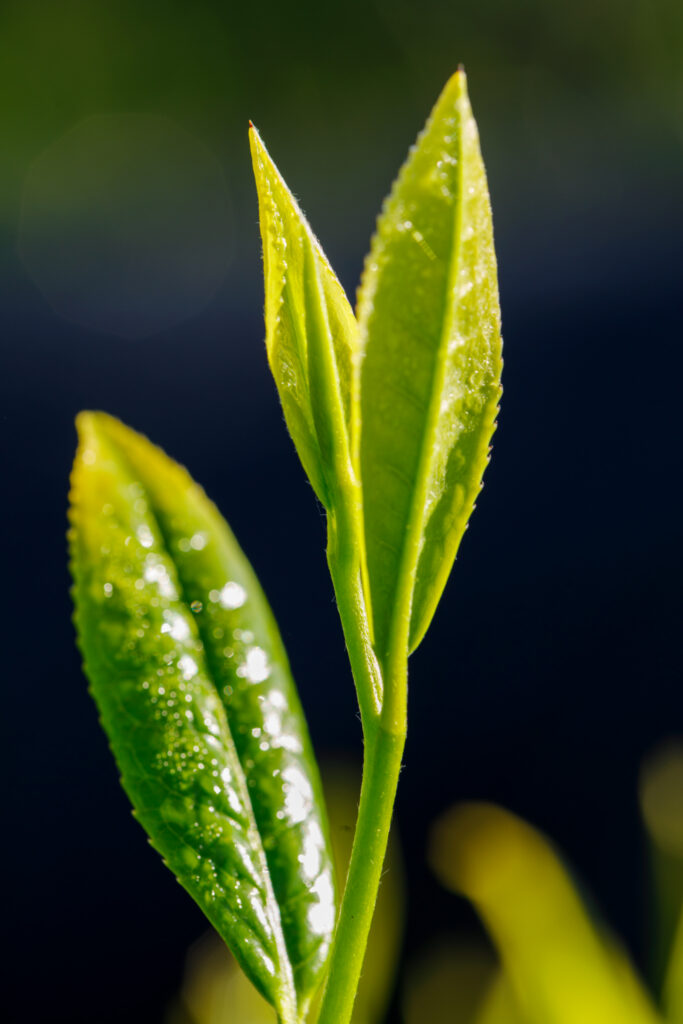
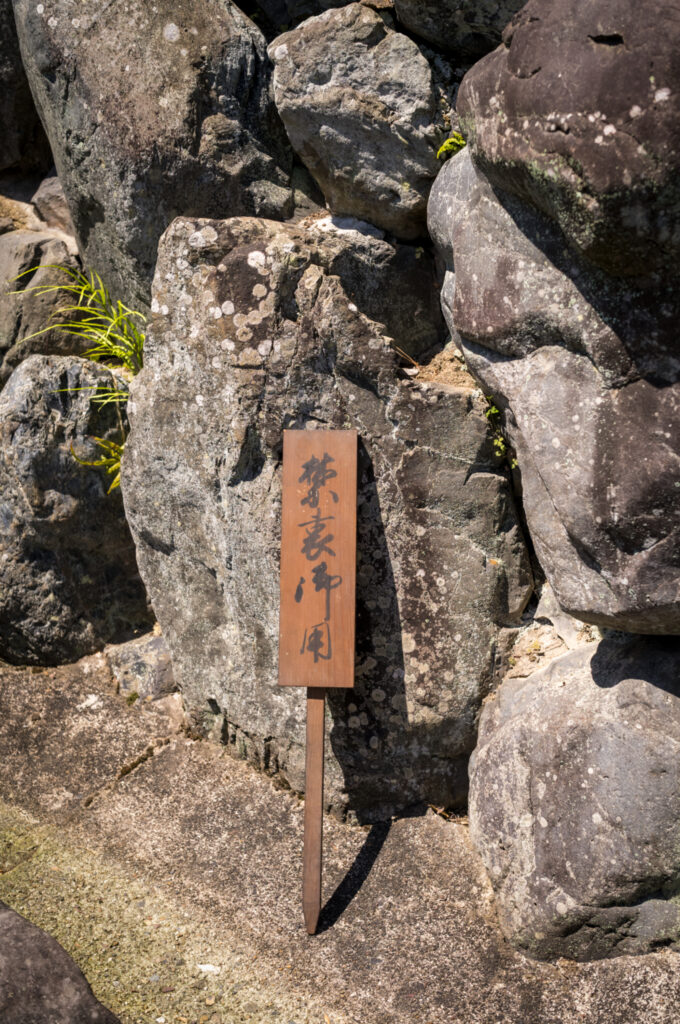
Photo: “Hachijū-hachiya” — the 88th night counted from the first day of spring. Since ancient times, this is when the first tea harvest begins, as summer approaches and the frost retreats.
It was roughly 500 years later that the name “Uji” first appeared in the annals of Japanese tea culture. The area had long flourished as a retreat for the aristocracy. Its sharp temperature variations, excellent drainage, and the river mists that shielded the land from frost created ideal conditions for tea cultivation — and by the 1300s, serious tea growing was well underway in Uji.
It is in this very birthplace of Japanese tea that Yamamoto Jūrōbē has operated as a tea merchant for over 400 years. Since the 1600s, the family has held the title of Kinri Shōya — a village headmaster who oversaw duties on behalf of the Imperial Court — taking the name “Jūrōbē” and conducting tea cultivation, tea trade, and forestry management in Tahara-gō, present-day Ujitawara.
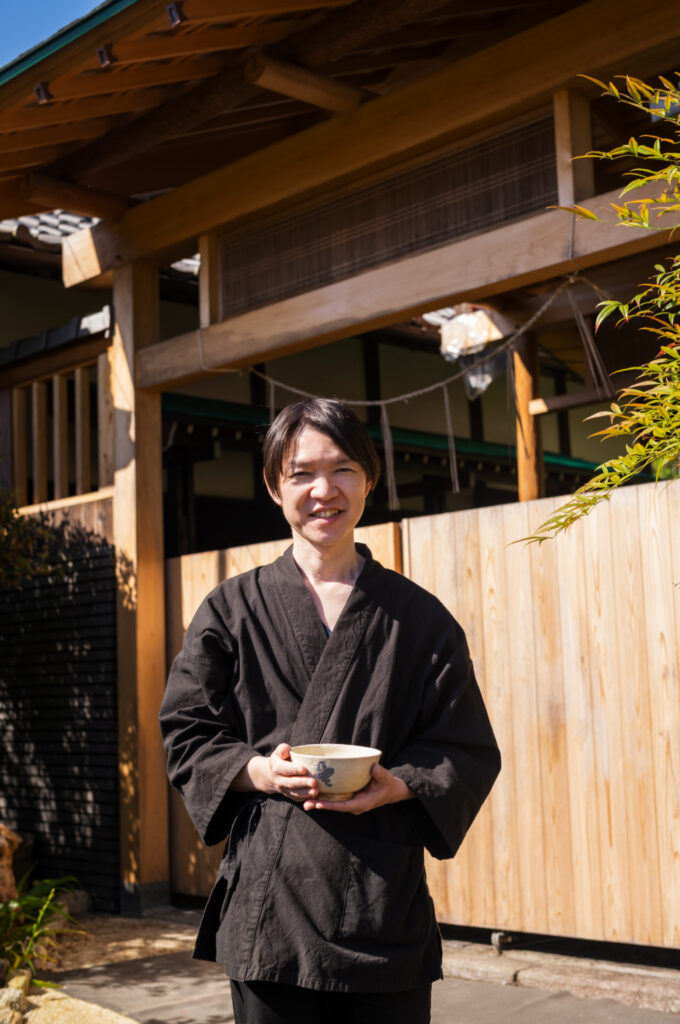
The current head of the family is the 13th generation Yamamoto Jūrōbē. In the world of Japanese tea, production is typically divided among specialists: farmers who grow the tea, and merchants who blend the leaves from various farms into finished products.
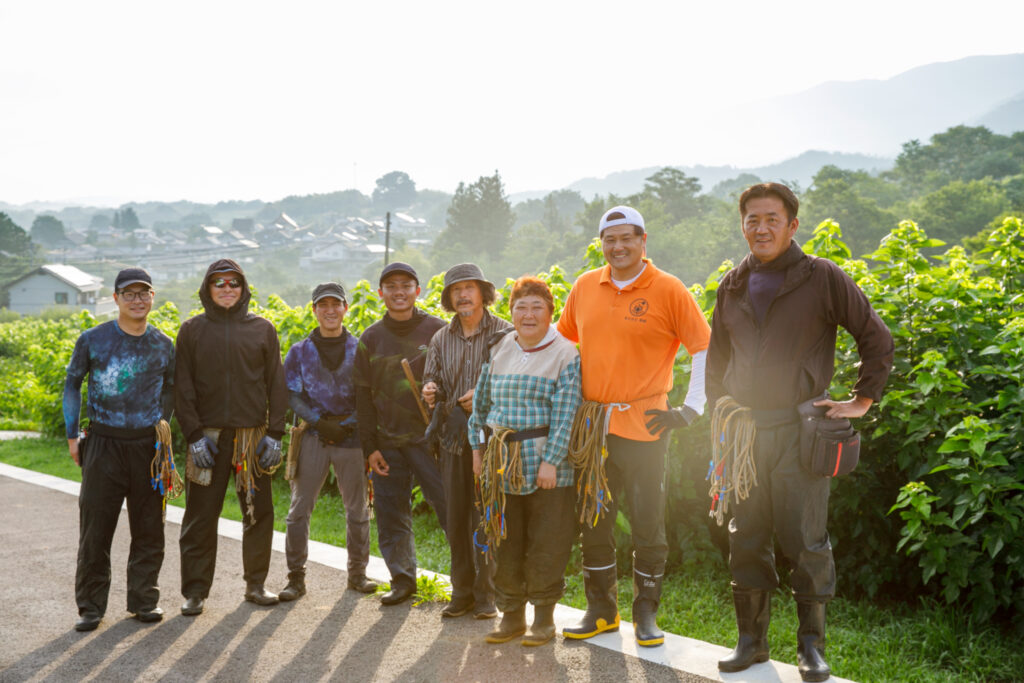
Over 13 generations as tea merchants, the Yamamoto family has cultivated relationships with the finest growers — farmers whose leaves have been recognized multiple times with the Minister of Agriculture, Forestry and Fisheries Award. Their collaborating tea master, Mr. Yamakita, is a champion of the National Tea Judging Competition, widely regarded as the foremost tea blender in Japan.
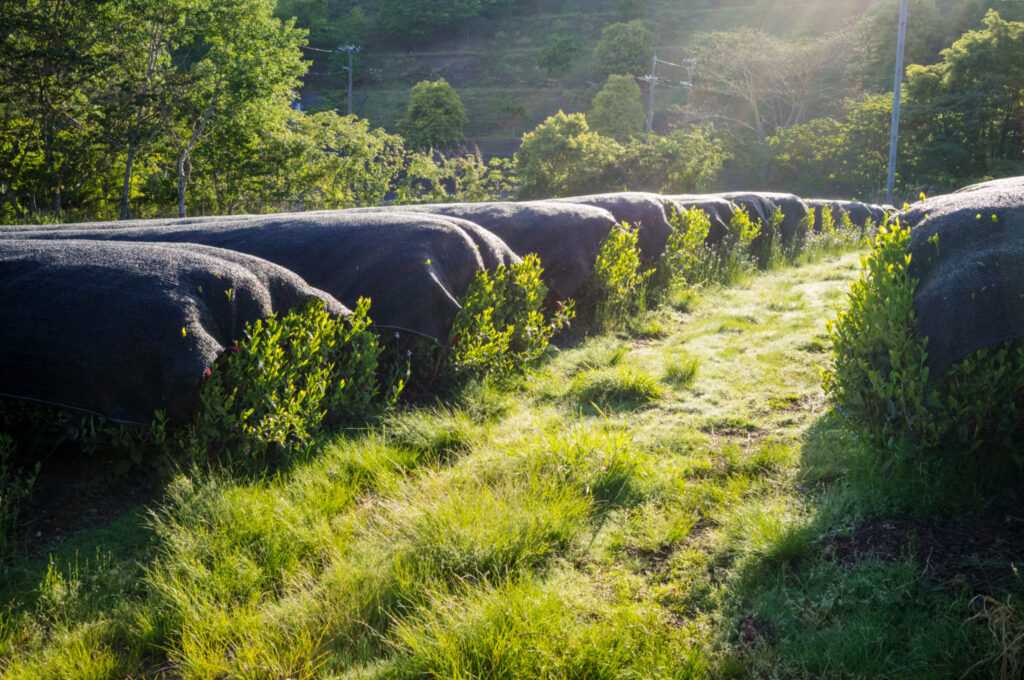

Photo: Shaded cultivation (ōishita saibai), a technique believed to have originated in the 1500s. By covering the tea plants to protect them from frost, the leaves grow softer and the flavor becomes richer in umami and more mellow. The shading rate, approximately 65% during the Azuchi-Momoyama period, had improved to 95% by the 1800s.
It is precisely because Mr. Yamamoto has guarded and nurtured this place for over 400 years that he is able to bring together the very best of Ujitawara — the tea farmers who produce the raw material, the tea master who handles the gōgumi (blending), and even the stone-mill grinding facility that can produce only 35 grams per hour — to deliver what can truly be called “authentic matcha.”
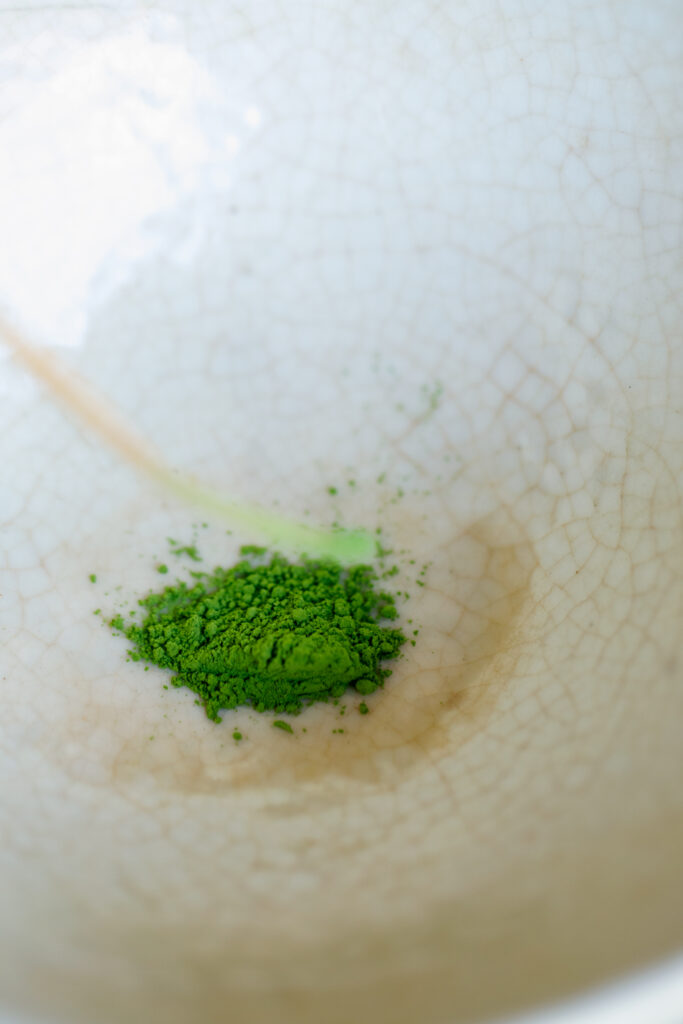
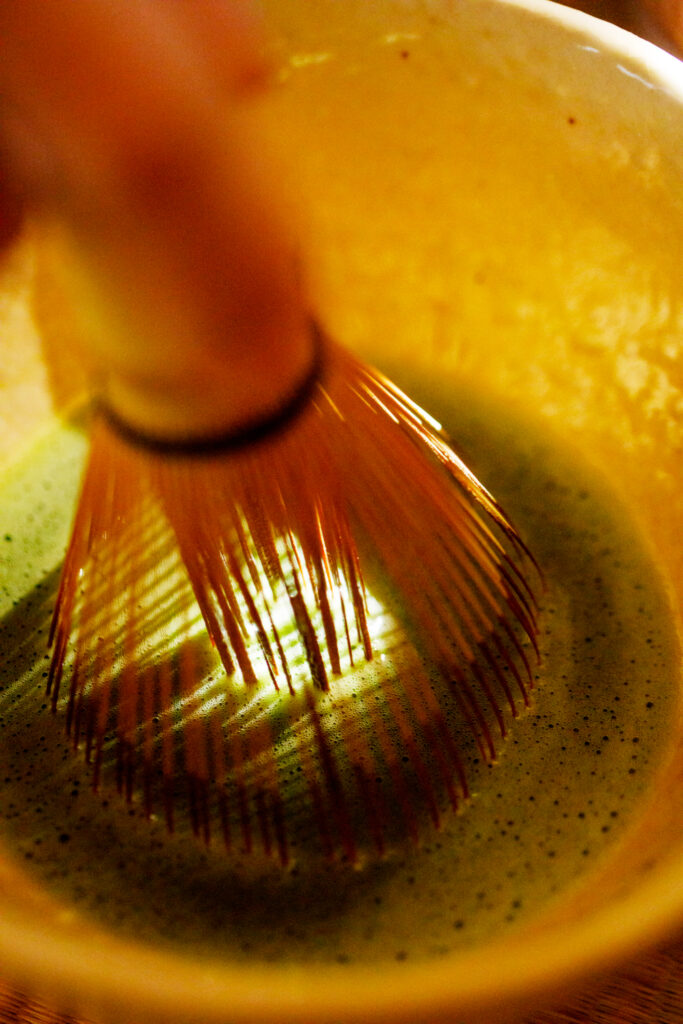
The climate and terroir ideally suited for tea cultivation. The ōoi-ka — the distinctive “covering aroma” — born from meticulous shaded cultivation. And the ro-ka — the “furnace aroma” — achieved by drying the leaves in a traditional tencha-ro kiln. Through the blessings of nature and two time-honored techniques cultivated within the unbroken tea culture of Ujitawara, the flavor of Uji matcha is said to be layered beyond compare.
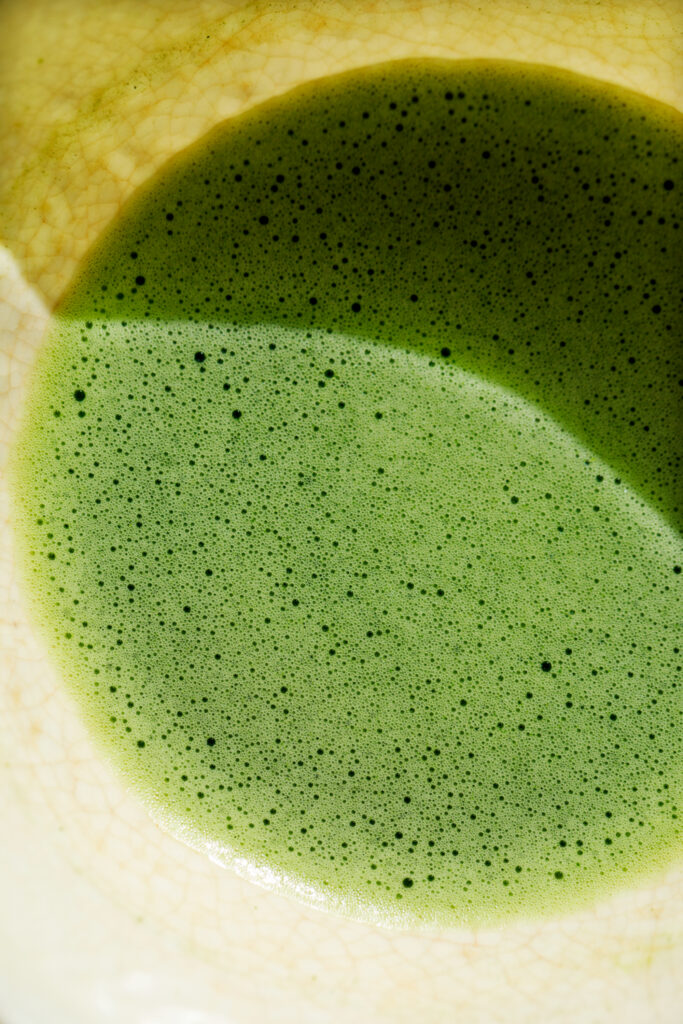
Umami, astringency, bitterness, and a clean finish — all in perfect harmony. Within the depths of that flavor lies the passion and history of every person who has committed to preserving an authentic tea culture.